37 The Quantum Frontier: Consciousness, Cognition, and NeuroAI
Learning Objectives By the end of this chapter, you will be able to:
- Understand the fundamental concepts of quantum computing, including qubits, superposition, and entanglement, through intuitive analogies.
- Explore the speculative but fascinating hypothesis that quantum effects may play a role in consciousness and cognition.
- Analyze how quantum principles might offer new perspectives on long-standing neuroscience problems like the “binding problem.”
- Appreciate the major arguments for and against the “quantum brain” theory.
- Envision how quantum neural networks could be used to model these frontier scientific questions.
37.1 27.1 Introduction: The Final Frontier of the Mind
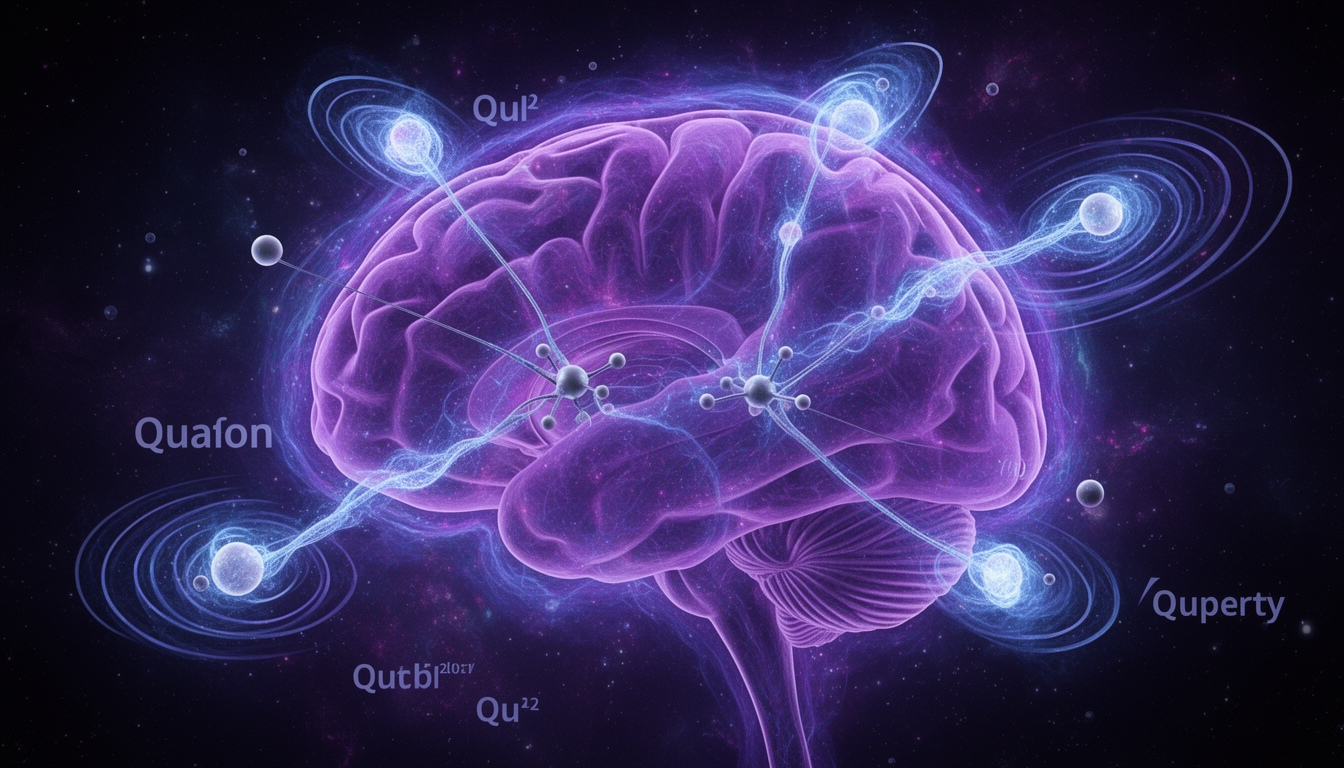
We have journeyed from the biological neuron to the artificial neural network, from the brain’s intricate wiring to the architecture of large language models. We conclude our exploration at the most fundamental and speculative frontier of all: the intersection of quantum mechanics, neuroscience, and AI.
The central question of this chapter is both simple and profound: Are there quantum effects in the brain that are essential for cognition?
This is a highly controversial idea. However, as our understanding of both the brain and quantum systems grows, intriguing parallels have emerged that invite us to explore this frontier. This chapter is not an argument that the brain is a quantum computer, but rather an exploration of how quantum principles might provide a new language and a new set of tools for thinking about the deepest mysteries of the mind.
The Skeptic’S Corner: Why The Brain Is Probably Not A Quantum Computer Before we dive in, it’s crucial to acknowledge the mainstream scientific view. Most physicists and neuroscientists argue that the brain is too “warm, wet, and noisy” to support the delicate quantum states needed for computation.
- Decoherence: Quantum states are incredibly fragile. They collapse into a classical state the moment they interact with their environment. The chaotic, thermal environment of a biological cell should, in theory, destroy any useful quantum coherence almost instantly.
- Scale: Quantum effects are typically observed at the atomic and subatomic level. It is a massive and unproven leap to suggest they play a macroscopic role in the function of large neural circuits.
While some recent discoveries have shown that certain biological processes (like photosynthesis) do exploit quantum mechanics, the case for quantum computation in the brain remains extraordinary and requires extraordinary evidence. We proceed here with a spirit of open-minded, scientific exploration, not definitive claims.
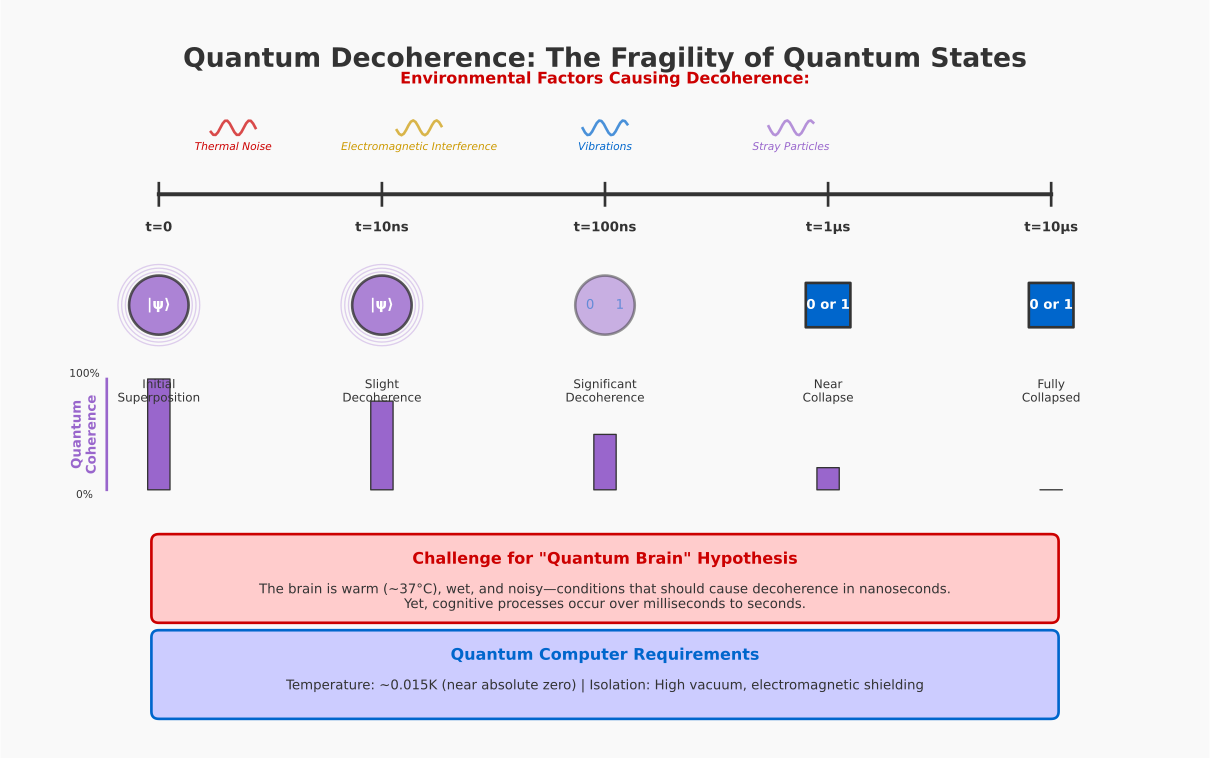 Figure 27.4: The fragility of quantum states due to decoherence. When a quantum system is exposed to environmental noise (thermal fluctuations, electromagnetic interference, vibrations), its delicate superposition rapidly collapses into a classical state. In typical conditions, decoherence occurs within nanoseconds to microseconds. This poses a fundamental challenge for the quantum brain hypothesis: the brain operates at body temperature in a noisy biochemical environment, yet cognitive processes occur over milliseconds to seconds, timescales far longer than expected decoherence times. Quantum computers require near-absolute-zero temperatures and extreme isolation to function.
37.2 27.2 The Quantum Concepts
To understand the parallels, we need a grasp of three core quantum concepts. Before diving into the details, let’s first see how quantum and classical approaches fundamentally differ:
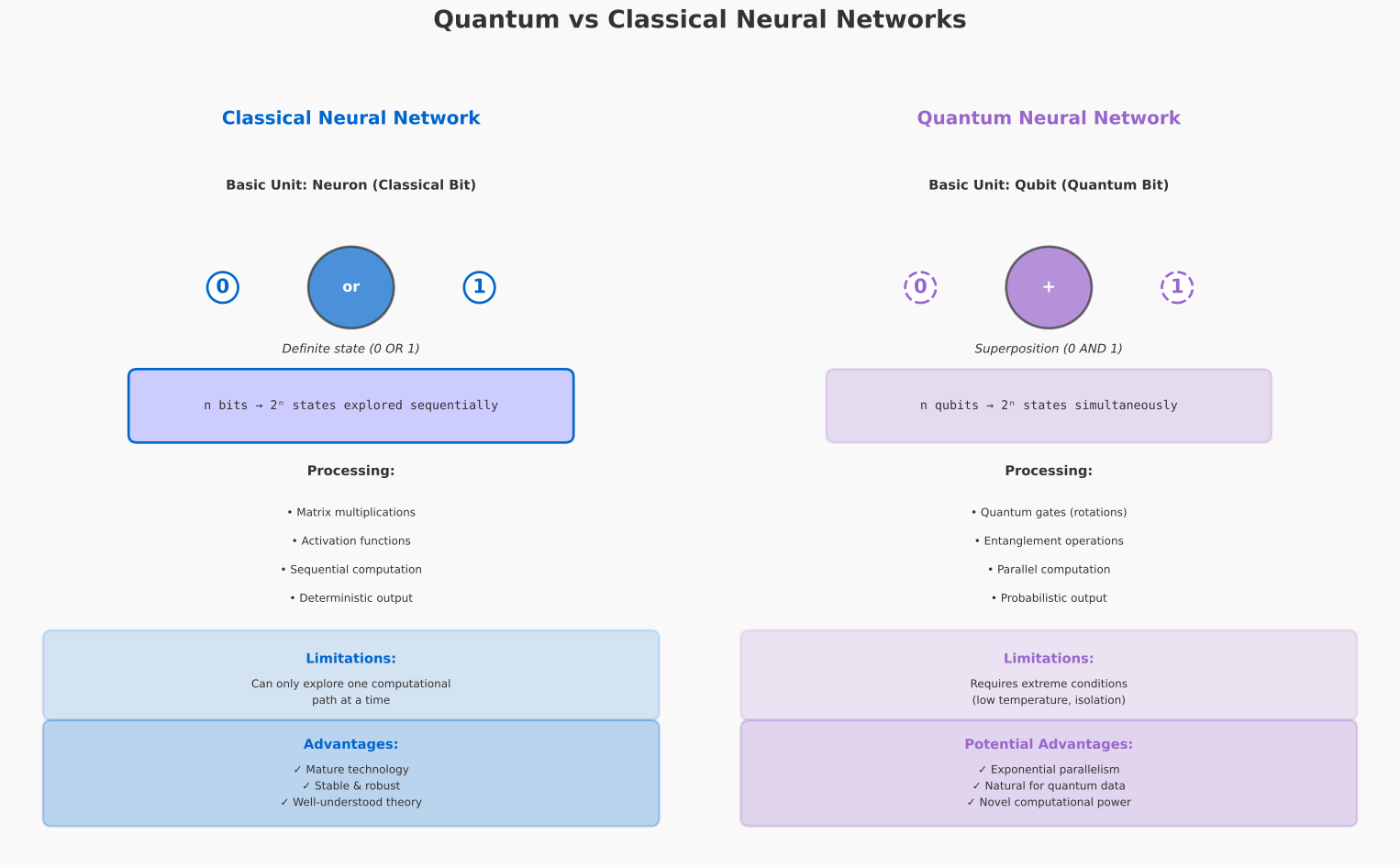 Figure 27.3: Fundamental differences between classical and quantum neural networks. Classical neurons exist in definite states (0 OR 1) and process information sequentially, exploring one computational path at a time. Quantum neurons (qubits) exist in superposition (0 AND 1 simultaneously), enabling parallel exploration of all possible states. While classical networks are mature and stable, quantum networks offer exponential parallelism but require extreme environmental conditions to maintain quantum coherence.
27.2.1 Qubits and Superposition: The Spinning Coin
A classical bit is a switch: it is either 0 or 1. A qubit, the fundamental unit of quantum computing, is more like a spinning coin. While it’s spinning, it is in a superposition—a combination of both heads (1) and tails (0) at the same time. It is only when we stop the coin and “measure” it that it collapses into a definite state of either heads or tails.
This ability to exist in multiple states at once is a source of the potential power of quantum computing.
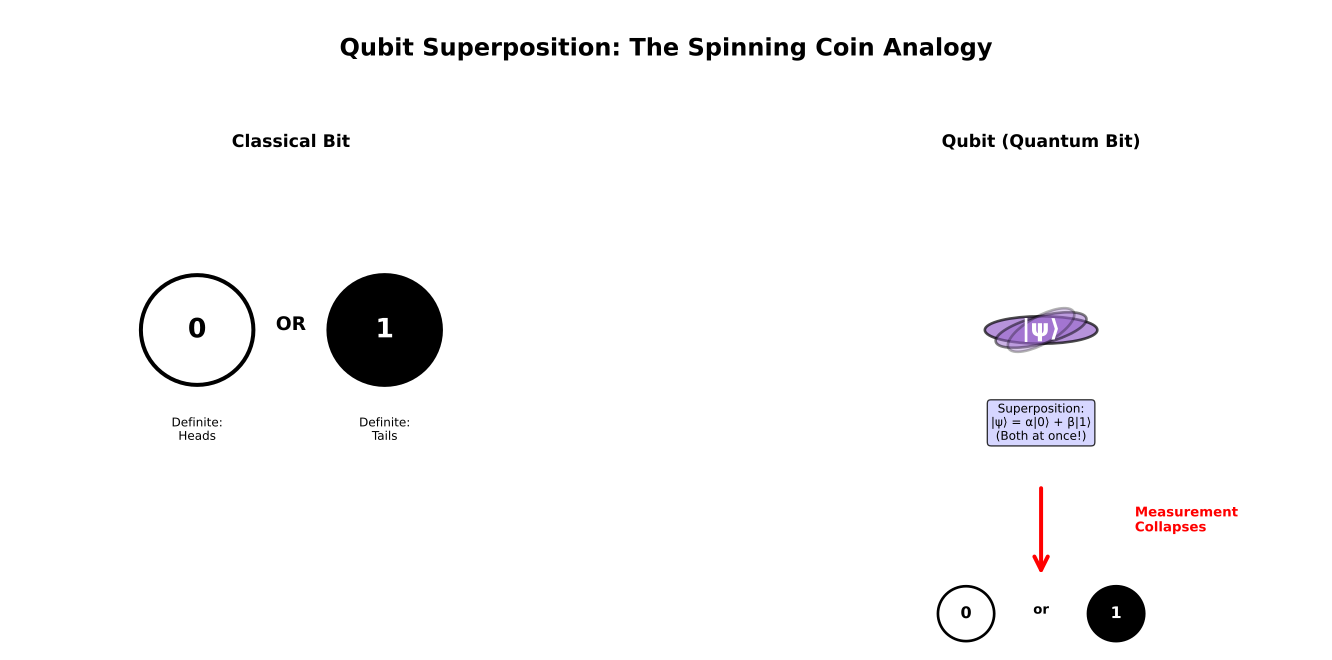 Figure 27.1: A qubit in superposition is like a spinning coin, simultaneously in both the 0 (tails) and 1 (heads) states. Only upon measurement does the superposition collapse into a definite classical state. This contrasts with a classical bit, which must always be in exactly one state. Superposition allows quantum computers to explore multiple computational paths simultaneously.
A Parallel to Cognition? Could superposition be a model for how the brain handles ambiguity? When we are faced with an uncertain situation or a complex decision, our mind seems to hold multiple, conflicting possibilities in a state of suspension before collapsing into a single conscious choice.
27.2.2 Entanglement: The Twin Coins
Entanglement is what Einstein famously called “spooky action at a distance.” Imagine you have two “twin coins.” You flip them, and they fly apart to opposite ends of the universe. The moment you look at one and see that it landed on heads, you instantly know, faster than the speed of light, that the other coin must have landed on tails. They are intrinsically linked.
This is entanglement. Two or more qubits can be linked in a way that their fates are intertwined, no matter how far apart they are. Their state is a single, unified whole.
A Parallel to Cognition? The Binding Problem One of the deepest mysteries in neuroscience is the binding problem. When you see a red ball, your brain processes the color “red” in one area, the circular “shape” in another, and the “motion” in a third. Yet, you don’t perceive a separate red, a circle, and a movement; you perceive a single, unified object—a red ball. How does the brain bind these disparate features together into a coherent whole? Perhaps entanglement offers a metaphor, if not a mechanism, for this instantaneous, non-local binding of information into a single, coherent conscious experience.
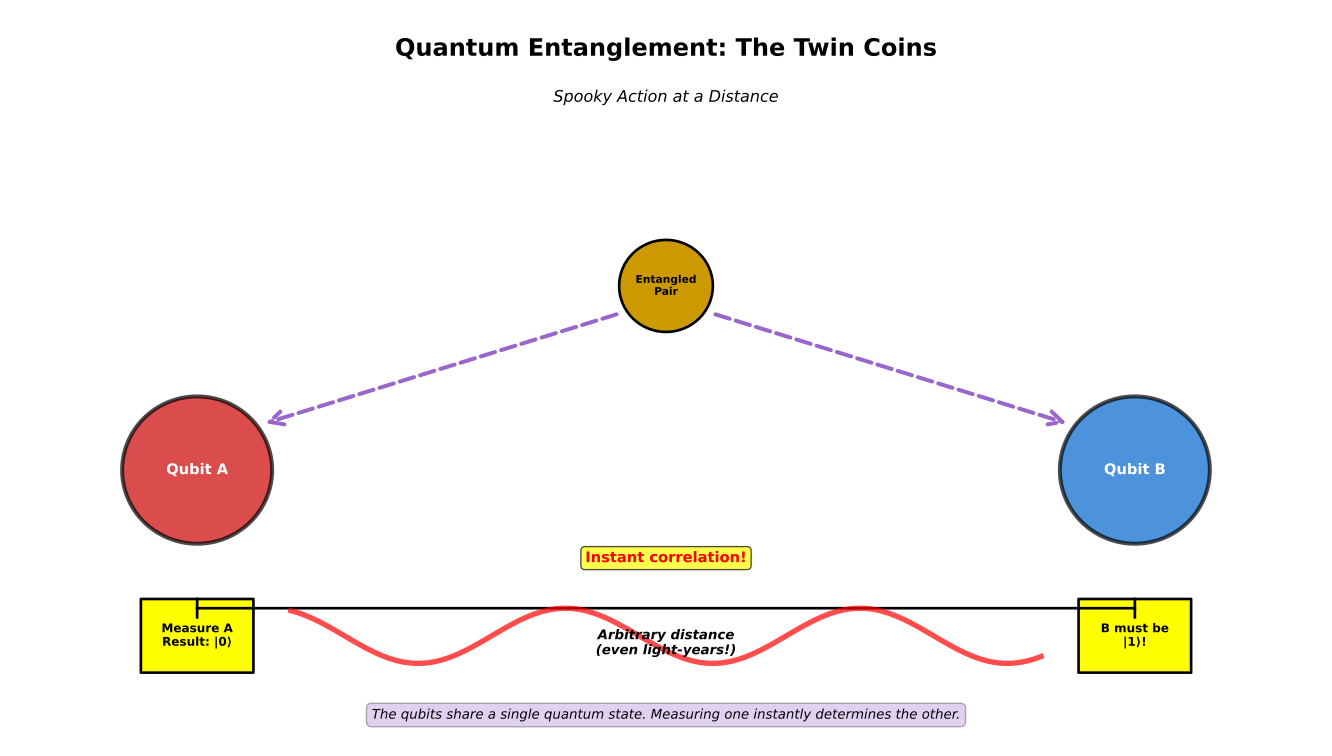 Figure 27.2: Entangled qubits are like “twin coins” with correlated fates. When two qubits are entangled and then separated by vast distances, measuring one instantly determines the state of the other, regardless of the distance between them. This “spooky action at a distance” creates correlations that have no classical explanation. In neuroscience, entanglement has been proposed as a potential mechanism for the binding problem, explaining how distributed brain regions create unified conscious experiences.
37.3 27.3 Quantum Neural Networks: Modeling a Quantum Mind
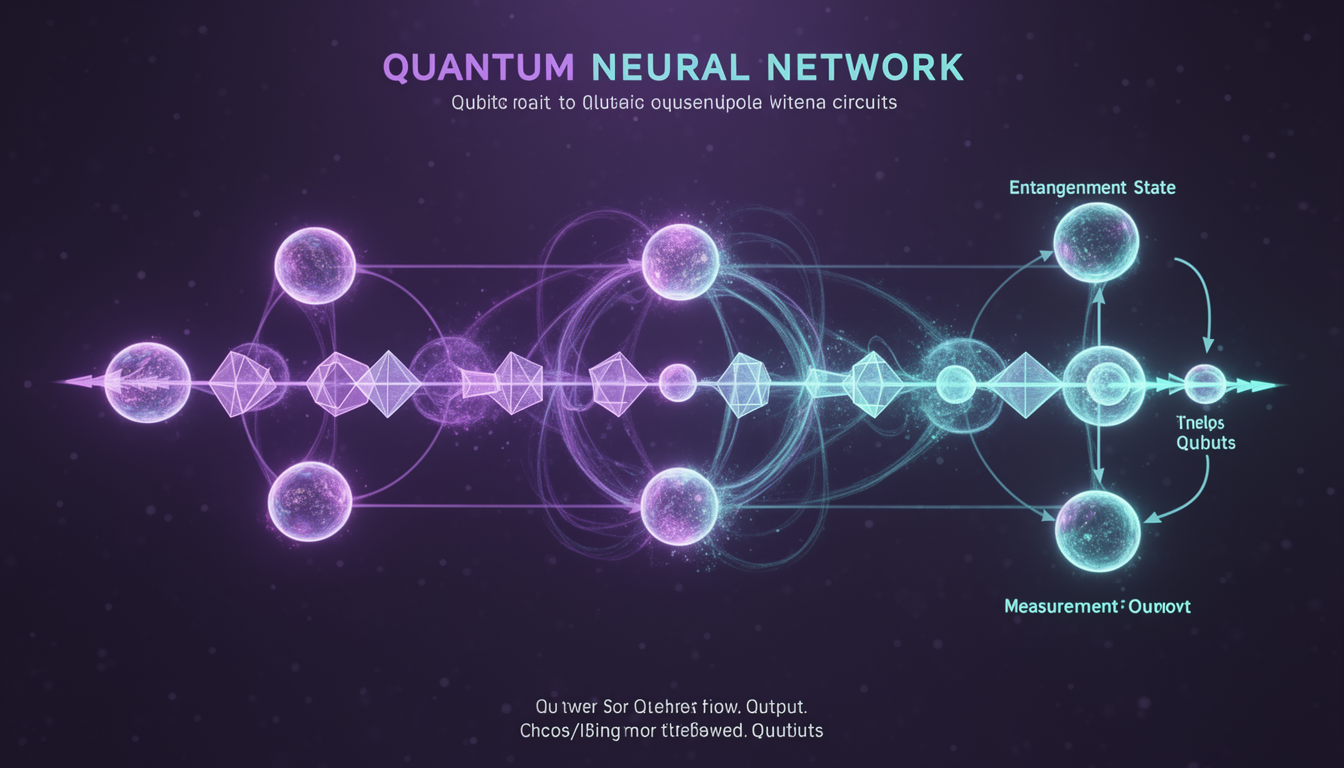
If we entertain the idea that the brain might leverage quantum effects, then we need a new kind of tool to model it. Quantum Neural Networks (QNNs) are hybrid systems that use the principles of quantum mechanics to perform computations.
A QNN typically involves: 1. Encoding: Classical data (e.g., an image) is encoded into the state of a set of qubits. 2. Quantum Processing: The qubits are manipulated by a series of quantum gates—operations that rotate their states and create entanglement between them. This part of the network is a parameterized quantum circuit, where the rotation angles are learnable parameters, analogous to the weights in a classical neural network. 3. Measurement: The state of the qubits is measured, collapsing the superposition into a classical output.
This process is then embedded within a classical optimization loop, where a classical computer adjusts the parameters of the quantum circuit to minimize a loss function.
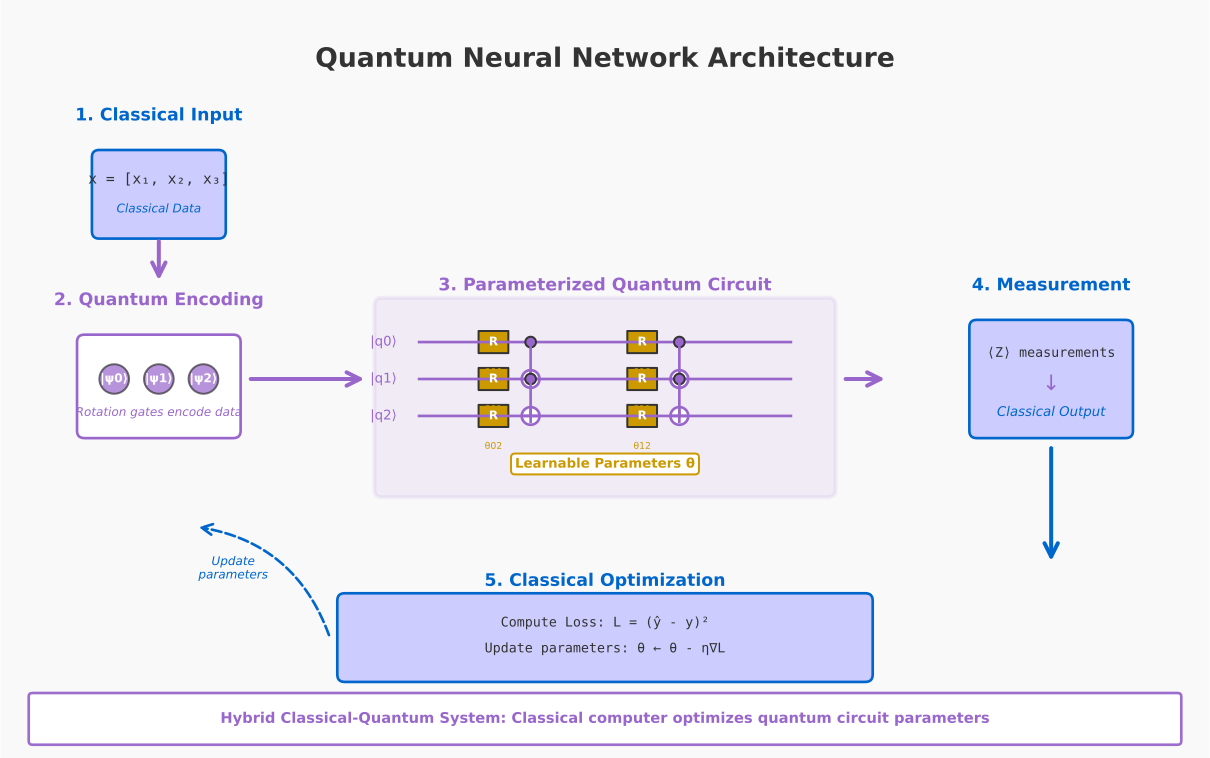 Figure 27.5: The complete architecture of a Quantum Neural Network (QNN) is a hybrid classical-quantum system. (1) Classical input data is encoded into quantum states using rotation gates. (2) The parameterized quantum circuit processes this information through layers of trainable rotation gates (with learnable parameters θ) and entanglement operations (CNOT gates). (3) Quantum measurement collapses the superposition into classical output. (4) A classical computer computes the loss and (5) updates the quantum circuit parameters using gradient descent. This hybrid approach combines the exponential state space of quantum systems with the mature optimization techniques of classical machine learning.
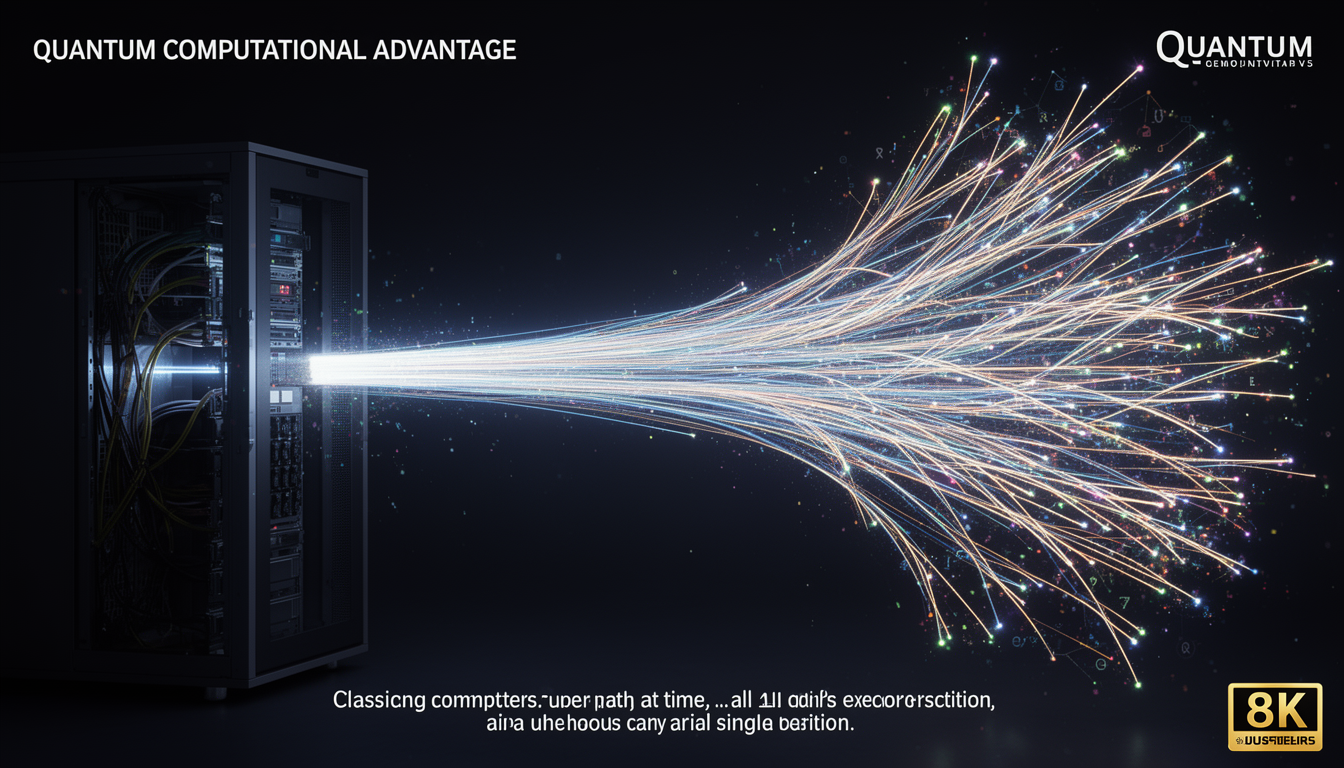
The promise of QNNs is not necessarily to be “faster” at everything, but to be able to naturally model the kinds of correlations and superpositions that are difficult to capture with classical networks. As such, they may be the perfect tool for testing theories about quantum cognition.
37.4 27.4 The Future: A New Science of Consciousness?
The intersection of quantum physics, neuroscience, and AI is perhaps the most speculative, but also the most exciting, frontier in all of science. While the “quantum brain” hypothesis is far from proven, it pushes us to question our most basic assumptions about the nature of reality and intelligence.
Whether or not the brain is a quantum computer, the act of trying to build AI on quantum principles forces us to engage with these deep questions. It provides a new, formal language for modeling the holistic, probabilistic, and deeply interconnected nature of the mind. This exploration may not lead us to a quantum brain, but it may lead to a new generation of AI that is far more powerful and, perhaps, more brain-like than anything we have today.
Chapter Summary This final chapter took us to the speculative frontier where quantum mechanics, neuroscience, and AI intersect.
- The Central Question: We explored the controversial but intriguing hypothesis that quantum mechanics might play a role in complex cognitive functions like consciousness.
- Core Quantum Concepts: We introduced the key ideas of superposition (a qubit as a “spinning coin” in multiple states at once) and entanglement (two “twin coins” with linked fates) as the building blocks of quantum computation.
- Parallels to Cognition: We drew speculative parallels between these quantum phenomena and long-standing mysteries in neuroscience, such as the brain’s handling of ambiguity (superposition) and the binding problem (entanglement).
- A Note of Skepticism: We acknowledged the major scientific arguments against the “quantum brain” hypothesis, primarily the challenge of maintaining delicate quantum states in the brain’s warm, wet environment.
- Quantum AI: We introduced Quantum Neural Networks (QNNs) as a new class of models that could be used to formally test these theories and explore the computational power of quantum mechanics.
While the future of this field is uncertain, it represents a profound intellectual journey that pushes the boundaries of our understanding of both natural and artificial intelligence.
Knowledge Connections Looking Back - This chapter is a speculative look forward, but it connects to the most fundamental questions raised throughout the handbook. The “binding problem” relates back to Chapter 4 (Perception), and the nature of consciousness touches on the integrated brain function discussed in Chapter 5 (Brain Networks) and Chapter 19 (Cognitive Neuroscience & DL). This chapter asks: are the classical models we’ve discussed sufficient, or is there a deeper level of physics at play?
37.5 Exercises
Conceptual Questions
- Explain the key quantum concepts using everyday analogies. For each of superposition, entanglement, and measurement/collapse:
- Describe the phenomenon in quantum mechanical terms
- Provide an intuitive analogy (like the spinning coin or twin coins)
- Explain how it differs from classical physics
- Discuss potential relevance to cognition or computation
- Evaluate the “quantum brain” hypothesis critically. Present arguments for and against the idea that quantum effects are essential for consciousness or cognition:
- For: What cognitive phenomena might require quantum effects?
- Against: What are the decoherence arguments?
- Middle ground: Could quantum effects play a limited role?
- How could this hypothesis be experimentally tested?
- Compare quantum and classical neural networks. For each of quantum neural networks (QNNs) and classical neural networks:
- Describe the basic computational unit (qubit vs. neuron)
- Explain how information is processed
- Discuss training/learning mechanisms
- Identify potential advantages and current limitations
- Explain the binding problem and its potential connection to quantum entanglement. What is the binding problem in neuroscience? How does the brain integrate distributed features into unified percepts? Could entanglement provide a mechanism for non-local binding? What are the objections to this idea?
Computational Exercises
- Simulate basic quantum operations. Using a quantum computing framework (e.g., Qiskit):
- Create a simple quantum circuit with 2-3 qubits
- Implement superposition using Hadamard gates
- Create entanglement using CNOT gates
- Measure the quantum state and observe collapse
- Visualize the quantum state before and after measurement
- Discuss what makes this fundamentally different from classical computation
- Build a simple quantum neural network. Implement:
- A parameterized quantum circuit with rotation gates (learnable parameters)
- An encoding layer that maps classical data to quantum states
- A measurement layer that extracts classical output
- Train the QNN on a simple classification task using gradient descent
- Compare performance and training behavior to a classical network
- Analyze what the quantum circuit learns
- Explore quantum advantage in specific tasks. Implement:
- A task where quantum superposition could provide computational benefits (e.g., searching unstructured data)
- Classical and quantum approaches to the same problem
- Measure and compare: time complexity, success rate, resource requirements
- Identify when quantum advantage appears (if at all)
- Discuss scalability to larger problem sizes
- Simulate quantum decoherence. Create:
- A simple quantum system in a superposition state
- Model environmental noise causing decoherence
- Show how quickly quantum states collapse to classical states
- Vary temperature and noise levels
- Relate this to the challenges of quantum effects in biological systems
Discussion Questions
- The feasibility of quantum biology in the brain. Discuss:
- What environmental conditions are required to maintain quantum coherence?
- How “warm, wet, and noisy” is the brain compared to quantum computer requirements?
- What biological systems have shown quantum effects (photosynthesis, bird navigation)?
- Could there be special cellular structures that protect quantum states?
- What would be the evolutionary advantage of quantum computation in the brain?
- Quantum AI vs. classical AI: Complementary or competitive? Consider:
- For what types of problems might quantum AI have advantages?
- What AI tasks are unlikely to benefit from quantum approaches?
- Could hybrid classical-quantum systems be the future?
- How far are we from practical quantum AI applications?
- What are the main technological barriers?
- Consciousness and quantum mechanics: Science or speculation? Reflect on:
- What is the distinction between using quantum mechanics to explain consciousness vs. using it as a metaphor?
- How could theories about quantum consciousness be falsified?
- What are the risks of over-interpreting quantum mechanics in neuroscience?
- Could understanding consciousness require a new physics, or is it purely a computational problem?
- How should researchers approach this speculative but fascinating frontier?
37.6 References
Penrose, R. (1994). Shadows of the mind: A search for the missing science of consciousness. Oxford University Press.
Hameroff, S., & Penrose, R. (2014). Consciousness in the universe: A review of the ‘Orch OR’ theory. Physics of Life Reviews, 11(1), 39-78.
Tegmark, M. (2000). Importance of quantum decoherence in brain processes. Physical Review E, 61(4), 4194-4206.
Koch, C., Massimini, M., Boly, M., & Tononi, G. (2016). Neural correlates of consciousness: Progress and problems. Nature Reviews Neuroscience, 17(5), 307-321.
Biamonte, J., Wittek, P., Pancotti, N., Rebentrost, P., Wiebe, N., & Lloyd, S. (2017). Quantum machine learning. Nature, 549(7671), 195-202.
Farhi, E., & Neven, H. (2018). Classification with quantum neural networks on near term processors. arXiv preprint arXiv:1802.06002.
Treisman, A. (1996). The binding problem. Current Opinion in Neurobiology, 6(2), 171-178.
Engel, G. S., Calhoun, T. R., Read, E. L., Ahn, T. K., Mančal, T., Cheng, Y. C., … & Fleming, G. R. (2007). Evidence for wavelike energy transfer through quantum coherence in photosynthetic systems. Nature, 446(7137), 782-786.
Lambert, N., Chen, Y. N., Cheng, Y. C., Li, C. M., Chen, G. Y., & Nori, F. (2013). Quantum biology. Nature Physics, 9(1), 10-18.
Schuld, M., Sinayskiy, I., & Petruccione, F. (2015). An introduction to quantum machine learning. Contemporary Physics, 56(2), 172-185.
Preskill, J. (2018). Quantum computing in the NISQ era and beyond. Quantum, 2, 79.